Catch Basin Questions Homeowners Ask
Catch basins are one of the most important parts of a residential stormwater drainage system. These answers explain what they do, where they are installed, and how they help control runoff and yard flooding.
What is a catch basin?
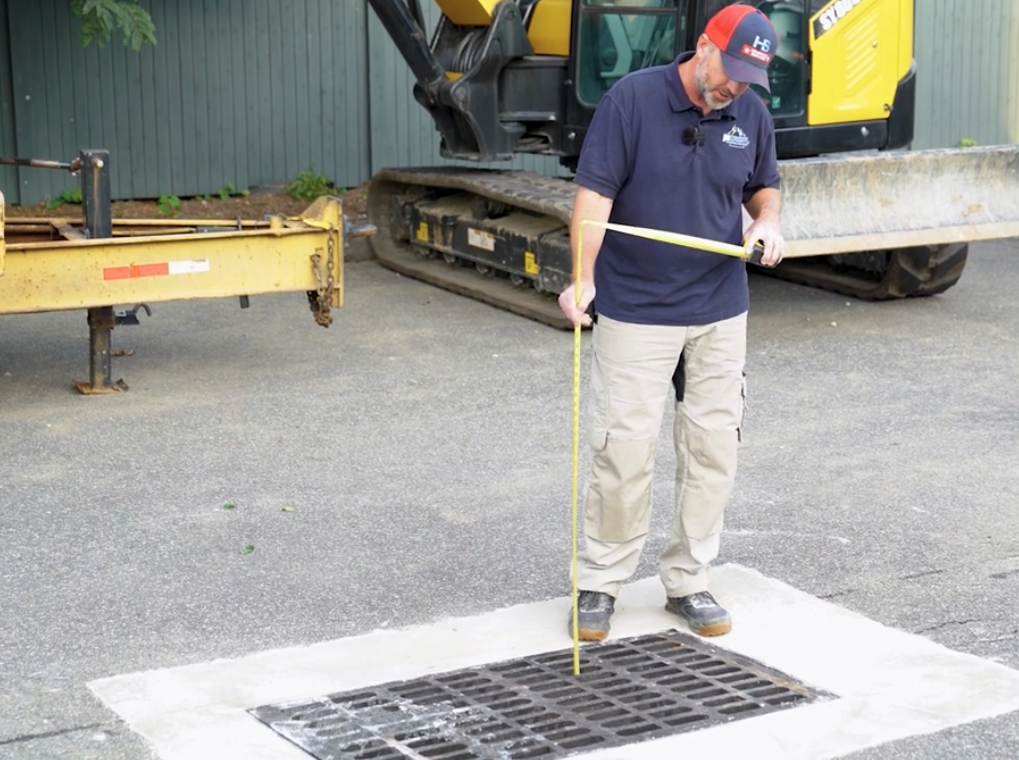
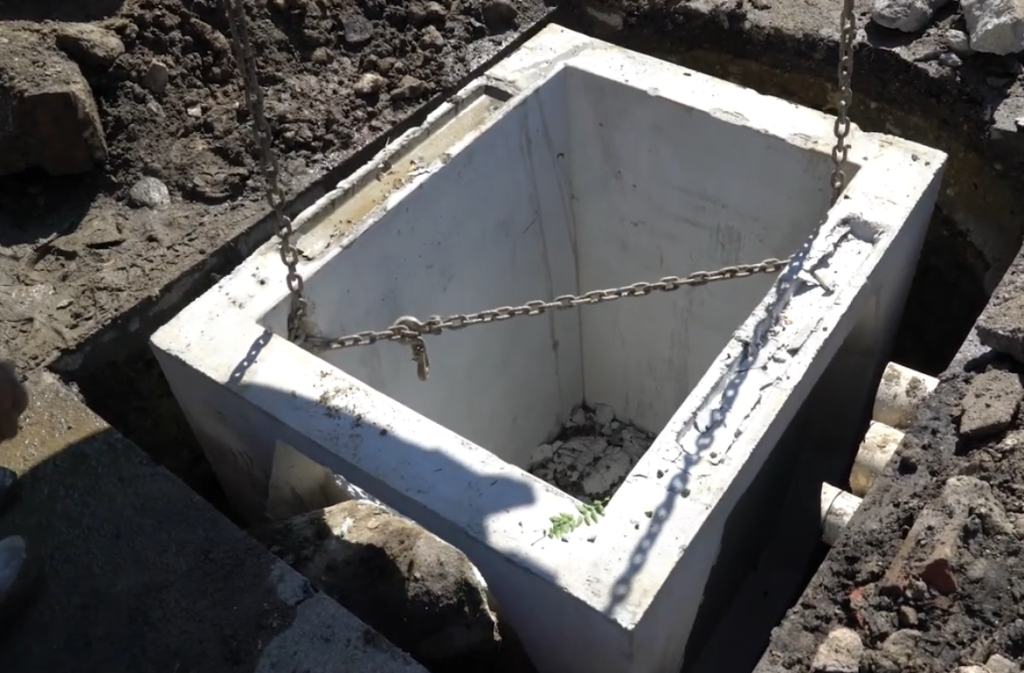
A catch basin is an underground drainage structure designed to collect surface water runoff before it enters the rest of the stormwater system. It usually includes a grated top opening and a basin below that helps capture water while allowing debris and sediment to settle.
What does a catch basin do?
A catch basin collects stormwater runoff from areas such as yards, driveways, patios, walkways, and hardscapes. Once water enters the basin, it can be directed into underground drainage pipes connected to French drains, dry wells, or larger stormwater chamber systems.
Where should a catch basin be installed?
Catch basins are typically installed in low areas where water naturally collects, near driveways, patios, downspout discharge zones, landscape drainage areas, and other parts of the property where surface runoff needs to be collected and redirected.
Do catch basins help prevent yard flooding?
Yes. Catch basins help prevent yard flooding by collecting surface runoff before it spreads across the property. When tied into a properly designed drainage system, they help move water away from problem areas and reduce standing water.
Can a catch basin connect to a French drain?
Yes. Catch basins are often connected to French drains, dry wells, or CULTEC chamber systems as part of a larger stormwater management plan. The catch basin acts as the collection point while the connected system helps store, move, or disperse the water underground.
Do catch basins collect debris and sediment?
Yes. One of the benefits of a catch basin is that it helps collect debris, leaves, and sediment before that material enters the underground drainage pipes. This helps protect the rest of the drainage system from clogs and blockage.
What is the difference between a catch basin and a yard drain?
A catch basin is generally deeper and designed to collect water while also allowing sediment and debris to settle below the pipe outlet. A basic yard drain may collect surface water, but it does not always provide the same debris collection or sump area as a catch basin.
How do I know if my property needs a catch basin?
A property may need a catch basin if water repeatedly pools in the yard, near a patio, around a driveway, or close to the home after rain. Homes with heavy runoff, poor grading, or large paved surfaces often benefit from catch basin drainage systems.
Are catch basins good for homes in Connecticut and New York?
Yes. Catch basins are often an effective drainage solution for homes in Connecticut and New York where rainfall, runoff, and drainage conditions can create standing water and flooding problems around the property.
Who installs catch basin drainage systems in Connecticut and New York?
Heneghan Home Services installs professional catch basin drainage systems for residential properties across Connecticut and New York, with systems designed to collect runoff, protect the home, and improve long-term drainage performance.